

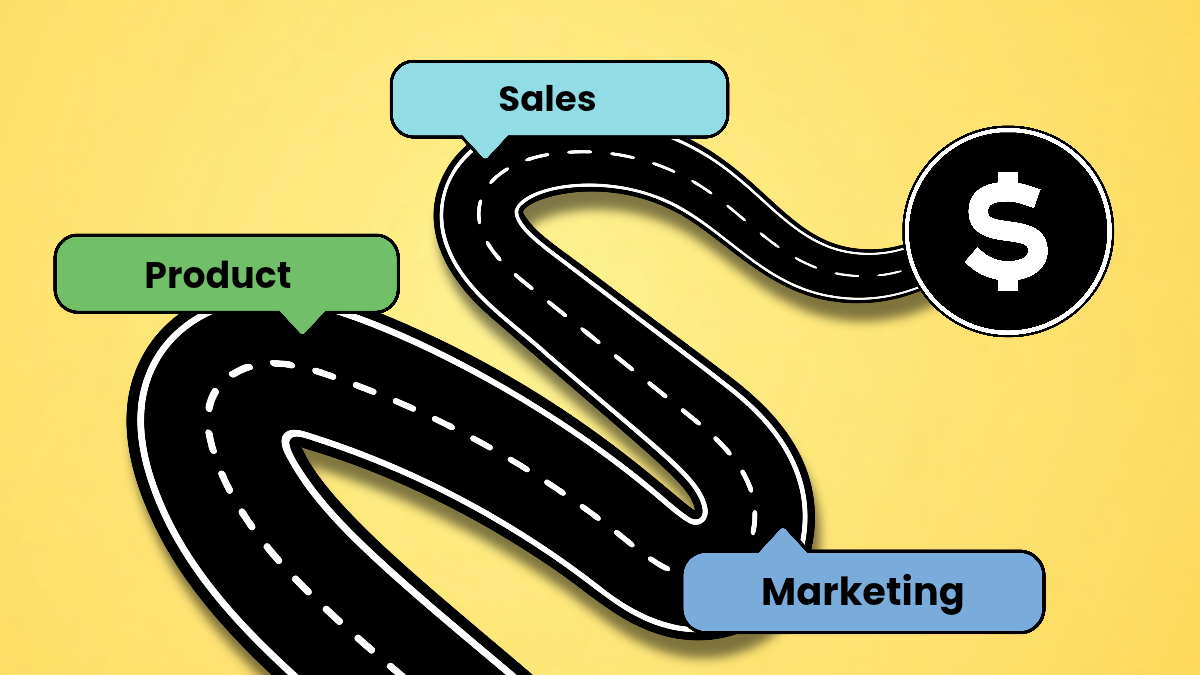
A B2B company can have a strong product, a skilled team, and a clear vision and still struggle to generate revenue. The problem often lies in execution. 80% of new B2B products fail due to GTM execution gaps, to meet their targets due to poor alignment, unclear positioning, or weak distribution.
What is a go to market strategy that drives revenue?
A go to market strategy that drives revenue is a structured plan that aligns product, marketing, and sales to target the right audience, deliver clear value, and convert demand into measurable business growth.
A well built go to market strategy that drives revenue is not just about launching a product. It is about ensuring the right message reaches the right audience through the right channels at the right time.
This guide breaks down exactly how to build a strategy that does not just launch but consistently converts.
Key Takeaways
- A go to market strategy connects product, sales, and marketing into one revenue engine
- Clear positioning and audience targeting are critical for success
- Distribution matters as much as messaging
- Data and iteration drive long term performance
- Alignment across teams is non negotiable
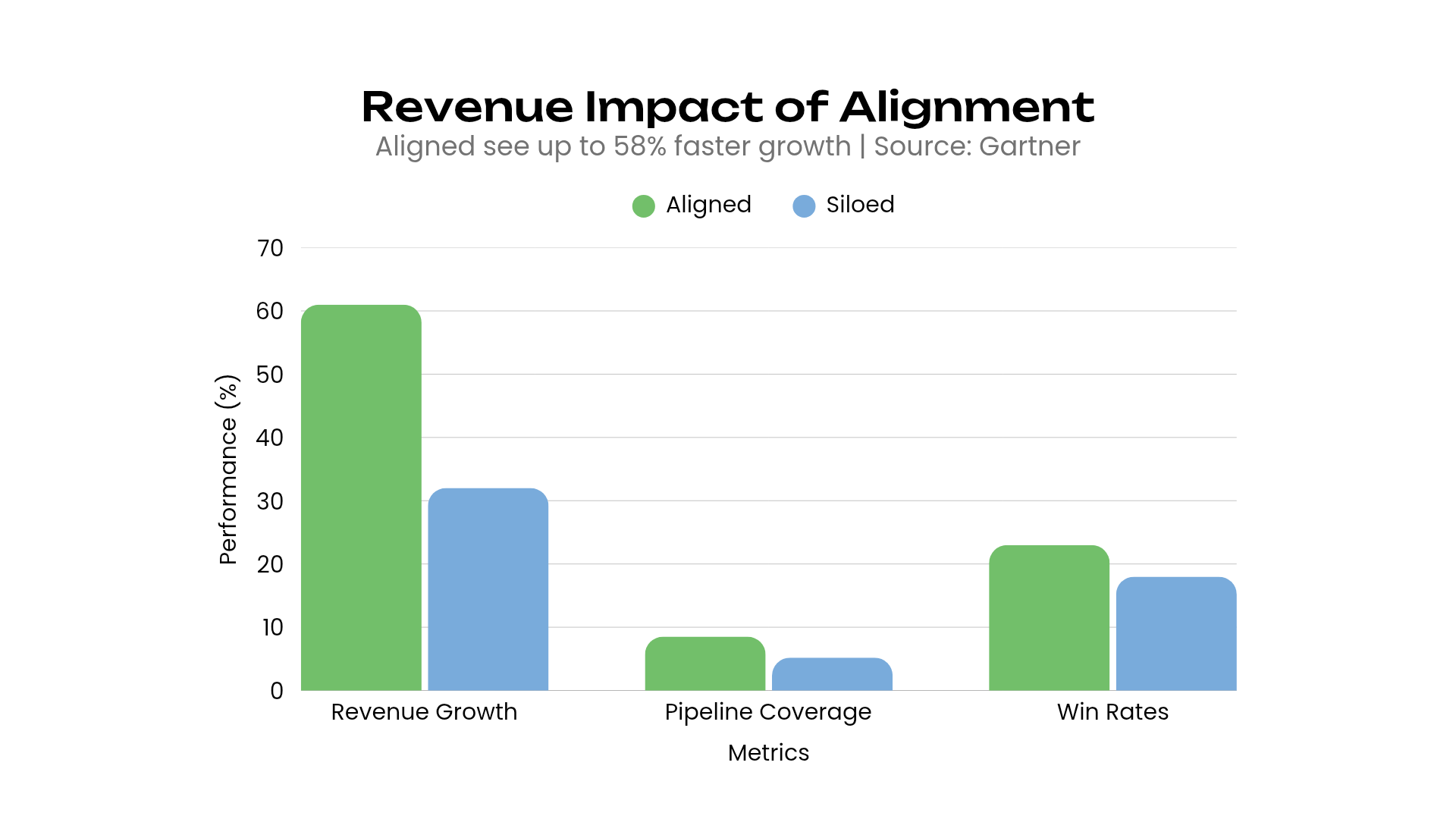
Insight: Companies with strong sales and marketing alignment achieve faster revenue growth and higher win rates compared to siloed teams.
What Is the Go To Market Strategy
If you have ever wondered what is the go to market strategy, the simplest answer is this:
It is a structured plan that defines how a company delivers its product to the market and generates revenue.
It answers three core questions:
- Who are you selling to
- What value do you offer
- How will you reach and convert them
In a b2b go to market strategy, this becomes even more important because buying cycles are longer and involve multiple decision makers.
A strong strategy ensures that marketing, sales, and product teams work toward the same revenue goal instead of operating in silos.
Why Most Go To Market Strategies Fail
Many companies invest heavily in campaigns but see little return because most B2B buyers already have a shortlist of brands before they even engage, making early positioning critical. The reasons are often predictable.
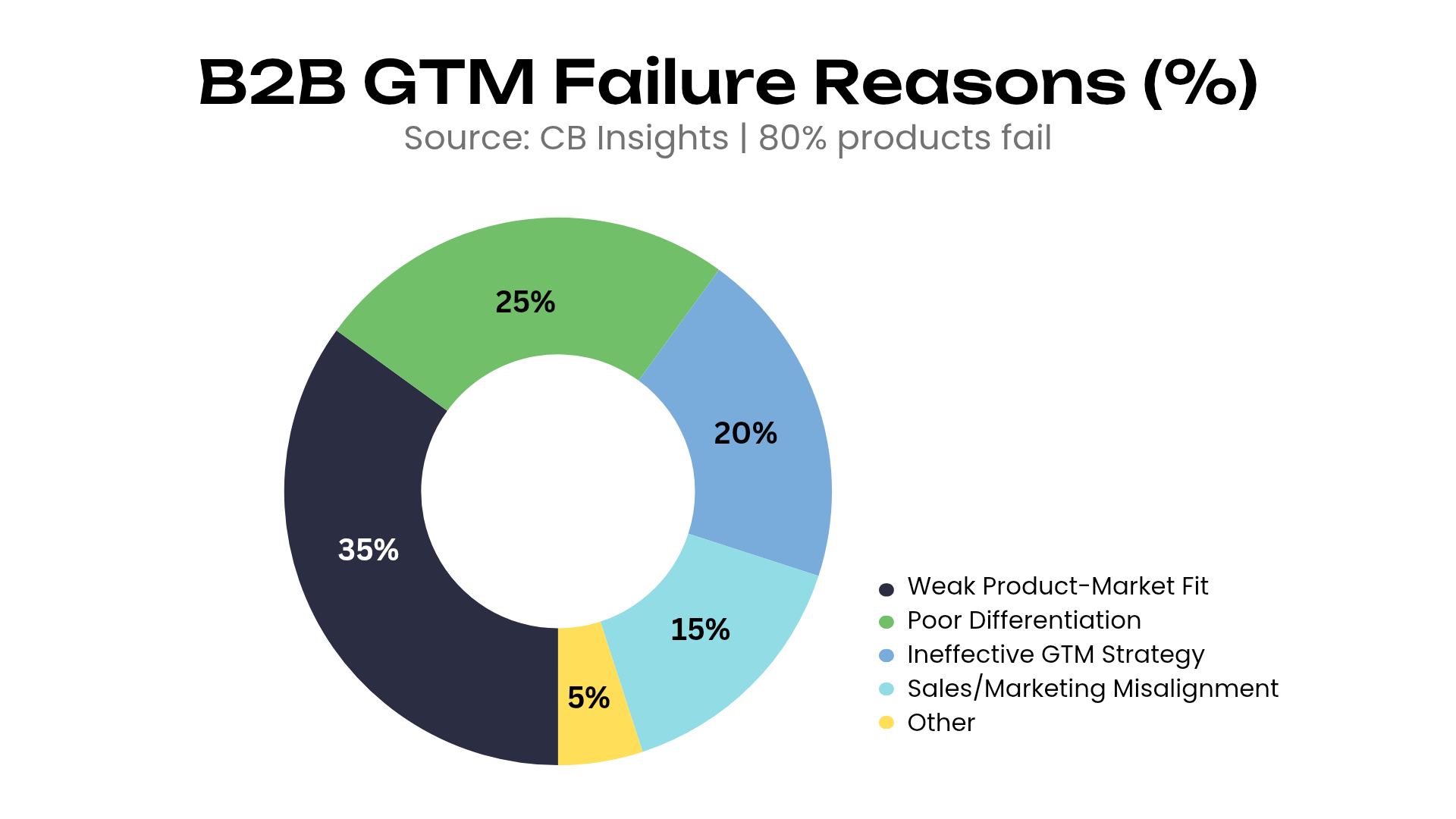
Common challenges include:
- Targeting too broad an audience
- Weak or generic messaging
- Lack of sales and marketing alignment
- Poor channel selection
- No clear measurement framework
Without addressing these issues, even the best products struggle to gain traction.
Key Benefits of a Strong Go To Market Strategy
A well executed strategy delivers measurable business outcomes.
1. Faster Revenue Growth
A focused approach reduces wasted effort and accelerates pipeline creation.
2. Better Customer Fit
Targeting the right audience improves conversion rates and retention.
3. Stronger Market Positioning
Clear messaging helps your brand stand out in a crowded market.
4. Efficient Resource Allocation
Teams spend time and budget where it actually drives impact.
5. Predictable Scaling
With the right systems in place, growth becomes repeatable rather than random.
Core Components of a Go To Market Strategy
To build a go to market strategy that drives revenue, you need to get the fundamentals right.
1. Ideal Customer Profile
Define who your best customers are.
Include:
- Industry
- Company size
- Revenue range
- Pain points
- Buying triggers
This becomes the foundation of your entire strategy. Many B2B companies fail because they define their audience too broadly instead of building a clear ideal customer profile based on real customer needs and validated insights.
2. Value Proposition
Explain why your product matters.
Focus on:
- The problem you solve
- The outcome you deliver
- What makes you different
Avoid vague statements. Be specific and outcome driven.
3. Messaging Framework
Your messaging should speak directly to your audience’s needs.
Include:
- Core message
- Supporting proof points
- Objection handling
- Consistency across channels is key.
4. Channel Strategy
Decide where you will reach your audience.
Common B2B channels include:
- Email outreach
- Paid search
- Content marketing
- Webinars
Choose channels based on where your audience actually spends time.
5. Sales Strategy
Define how deals will be closed.
This includes:
- Sales motion
- Pricing model
- Sales cycle stages
- Enablement materials
6. Metrics and Measurement
Track what matters.
Key metrics:
- Customer acquisition cost
- Conversion rates
- Pipeline velocity
- Revenue growth
Without measurement, you cannot improve.
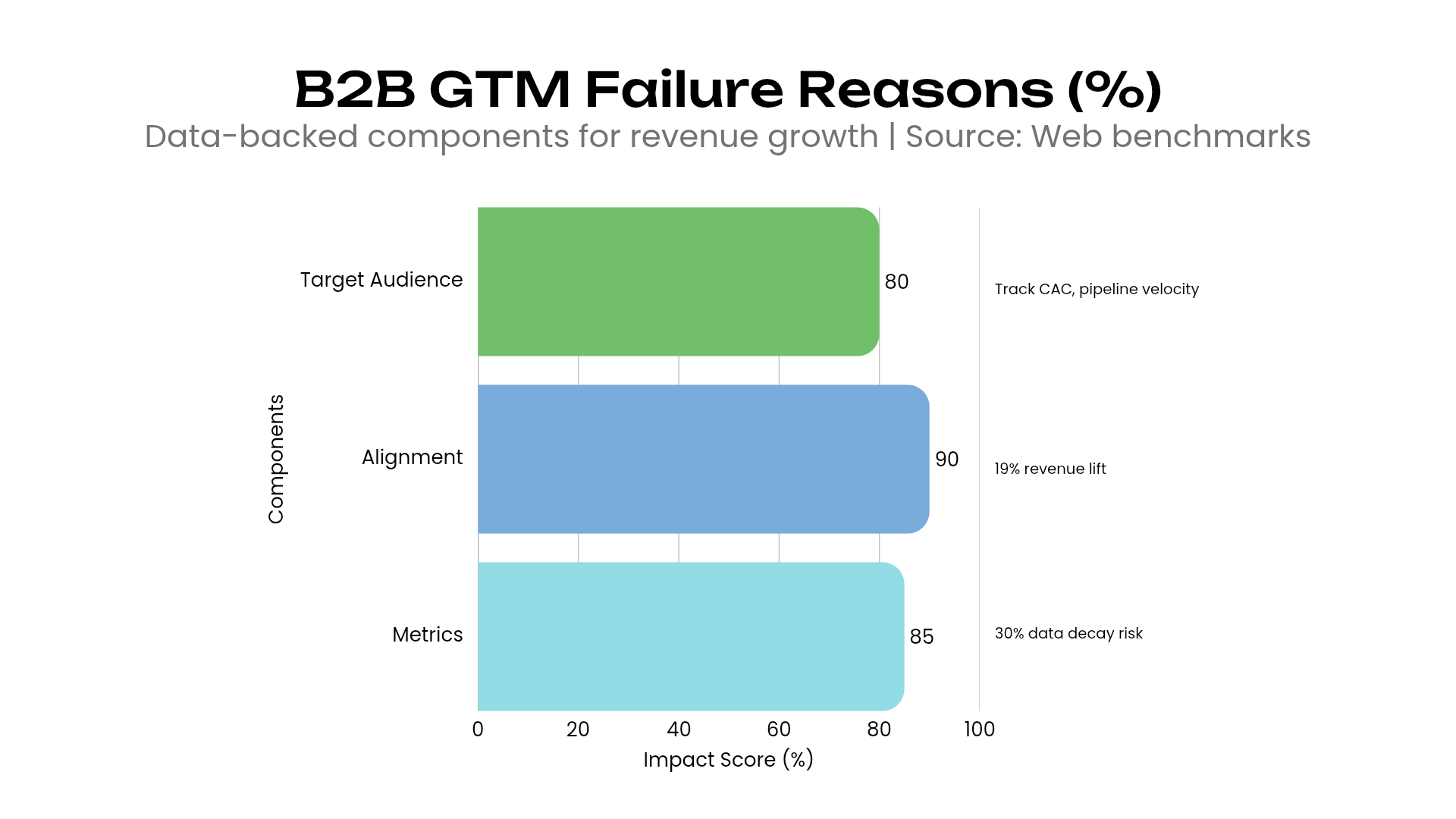
High performing teams go beyond surface metrics and focus on revenue linked indicators such as pipeline contribution, deal velocity, and customer lifetime value to measure true impact.
Step By Step Process to Build a Revenue Driven Strategy
Here is a practical approach to building your strategy.
Step 1: Market Research
Understand your market deeply.
Look at:
- Competitors
- Industry trends
- Customer behavior
This helps you identify opportunities and gaps.
Step 2: Define Your Target Audience
Narrow down your ideal customers.
Avoid trying to sell to everyone.
Focus leads to better results.
Step 3: Craft Your Positioning
Position your product clearly in the market.
Ask:
- What makes you unique
- Why should customers choose you
- Strong positioning drives differentiation.
Step 4: Build Your Messaging
Translate your positioning into clear communication.
Make it:
- Simple
- Relevant
- Outcome focused
Step 5: Choose Your Channels
Select the most effective distribution channels.
Do not spread yourself too thin.
Focus on a few channels and execute well.
Step 6: Align Sales and Marketing
Ensure both teams are working toward the same goals.
Buyer expectations are also changing. Today, 61 percent of B2B buyers prefer a rep free buying experience, which makes alignment between marketing and sales even more critical.
This includes:
- Shared metrics
- Clear handoffs
- Regular communication
Alignment is one of the biggest drivers of success.
Step 7: Launch and Iterate
No strategy is perfect from day one.
Track performance and refine continuously.
Go To Market Strategy for SaaS Companies
A saas go to market strategy has unique characteristics.
Key considerations:
- Product led growth vs sales led growth
- Free trials or freemium models
- Customer onboarding experience
- Retention and expansion
SaaS companies must focus not just on acquisition but on maximizing lifetime value (LTV). For example, Slack’s freemium go to market strategy turned a chat tool into a billion‑dollar brand by letting teams adopt the product organically, then converting them through usage limits and integrations. This drove 40% MoM growth initially by turning free users into paid evangelists, bypassing heavy sales cycles.
Here’s what an optimized GTM delivers: CAC drops 40% (e.g., $500→$300), conversions rise from 15% to 35%, retention climbs from 70% to 90% over quarters.
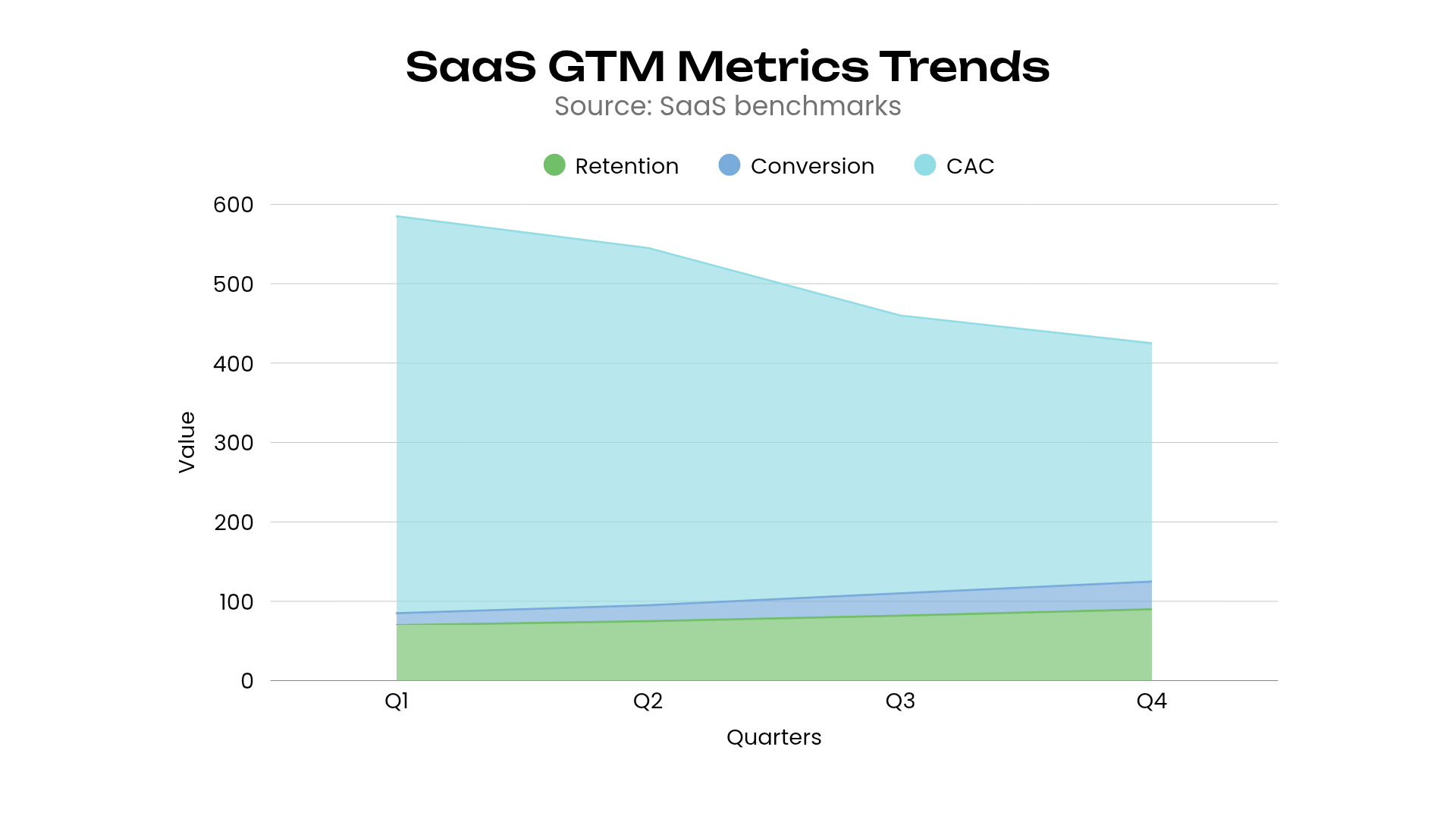
These improvements are only possible when acquisition, onboarding, and retention strategies are aligned within the same go to market framework.
When to Consider Go To Market Strategy Consulting
Many companies struggle to build an effective strategy internally.
This is where go-to-market strategy consulting can help.
Consultants bring:
- External perspective
- Proven frameworks
- Industry expertise
They can accelerate the process and avoid costly mistakes.
Real World Examples and Learnings
If you want to see how leading companies execute their strategies, explore Go To Market Strategy Examples from Successful B2B Companies.
This resource breaks down real case studies and highlights what worked and why. It gives you practical insights that you can adapt to your own business.
Common Mistakes and How to Avoid Them
Even strong strategies can fail if execution is flawed.
For a deeper dive, check out Common Go To Market Strategy Mistakes And How to Fix Them.
This guide explains where companies go wrong and how to correct course before it impacts revenue.
Sample Go To Market Strategy Framework
Here is a simple framework you can use:
| Component | Key Focus | Business Outcome |
| Target Audience | Ideal customer profile | Better targeting |
| Positioning | Unique Value | Clear differentiation |
| Messaging | Customer focused communication | Higher engagement |
| Channels | Distribution Strategy | Efficient reach |
| Sales | Conversion Process | Revenue growth |
| Metrics | Performance tracking | Continuous improvement |
Advanced Tips for Driving Revenue
Focus on Account Based Marketing
Instead of targeting everyone, focus on high value accounts.
This improves efficiency and conversion rates.
Build Strong Feedback Loops
Use customer insights to refine your strategy.
Listen to:
- Sales feedback
- Customer interviews
- Data analytics
Prioritize Speed and Agility
Markets change quickly.
Your strategy should be flexible enough to adapt.
Invest in Enablement
Equip your sales and marketing teams with the right tools and content.
Better enablement leads to better execution.
FAQs
What is the goal of a go to market strategy
The goal is to bring a product to market in a way that drives revenue and ensures long term growth.
How is it different from a marketing strategy
A go to market strategy is broader. It includes product, sales, and distribution along with marketing.
How long does it take to build a strategy
It depends on the complexity, but most companies take a few weeks to a few months.
Can small businesses use this approach
Yes. In fact, a focused strategy is even more important for small businesses with limited resources.
What industries benefit the most
All industries benefit, but it is especially critical in B2B and SaaS where competition is high.
Build a Go To Market Strategy That Actually Drives Revenue
A strong strategy is not about creating documents. It is about creating results.
If your current approach is not delivering consistent revenue, it is time to rethink how you go to market.
At Ryoku Growth, we help B2B companies build and execute strategies that are aligned, focused, and built for growth.